
Alcoa’s Stance on U.S. Investment and Tariffs
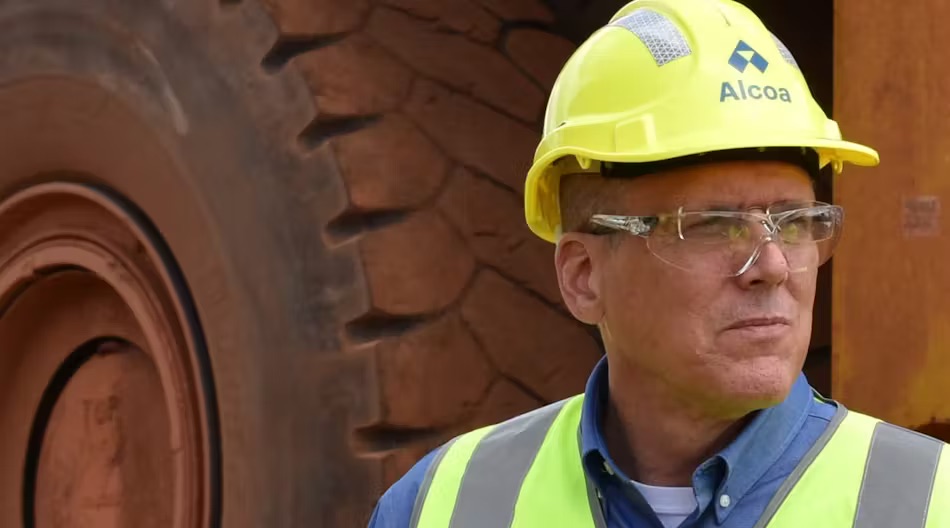
Alcoa CEO Bill Oplinger made it clear that tariffs alone would not drive the company to restart idled aluminum capacity in the U.S. While Alcoa would evaluate reopening some inefficient capacity at its Warrick plant in Indiana, a more critical factor in long-term investment decisions is access to cheap, long-term energy rather than short-term tariff benefits.
Key Takeaways:
- Tariffs Are Not a Sustainable Investment Driver: Oplinger emphasized that temporary tariffs are not a solid basis for making capital-intensive investments in the U.S.
- Energy Costs Matter More: The company would only invest in new U.S. capacity if it could secure low-cost energy for an extended period.
- Warrick Plant Review: If tariffs remain longer than expected, Alcoa might assess restarting old, inefficient capacity but only if financials justify it.
- Stock Impact: Alcoa shares ($AA) fell 2% to $34.37 on Feb. 25, maintaining a flat trend over six months, with a market cap of nearly $9 billion.
Industry Implications
Alcoa’s stance suggests that policy-driven trade barriers like tariffs may provide short-term relief but are not a viable long-term strategy for domestic manufacturing growth. Instead, factors like energy costs, infrastructure, and market stability play a much bigger role in investment decisions.
This profile highlights Geert De Lombaerde, a seasoned business journalist with extensive experience covering public companies, markets, and economic trends. His work spans multiple Endeavor Business Media publications, including IndustryWeek, FleetOwner, Oil & Gas Journal, T&D World, and Healthcare Innovation.
Key Highlights of His Career:
- Current Role: Covers strategy, leadership, and investment trends, curating the Market Moves Strategy newsletter and contributing to other Market Moves newsletters.
- Business Journalism Background:
- Started at Business Courier (Cincinnati, 1997), covering retail, courts, banking, insurance, and investing.
- Held editorial leadership roles at the Nashville Business Journal and Nashville Post.
- Grew the Post’s online traffic fivefold before moving to Endeavor Business Media in September 2021.
- Education: Journalism degree from the University of Missouri.
His experience and deep knowledge of financial markets, corporate strategy, and economic trends make him a key voice in business media, particularly in industrial, transportation, energy, and healthcare sectors.
4o
You said:
Can you put all these sections together and rewrite this article so I do not violate copywrite
ChatGPT said:
Alcoa Pushes Back Against Proposed U.S. Aluminum Tariffs, Citing Job Losses and Market Disruptions
At the 2025 BMO Global Metals, Mining & Critical Minerals Conference, Alcoa CEO Bill Oplinger voiced strong opposition to the Trump administration’s proposed 25% tariff on imported aluminum, arguing that the policy could severely impact the U.S. aluminum industry and workforce. While many assume that domestic aluminum producers like Alcoa would benefit from such tariffs, the company believes the opposite is true—especially if Canadian aluminum is included in the restrictions.
Tariffs Could Cost 100,000 U.S. Jobs
Oplinger warned that the proposed tariffs could result in 20,000 direct job losses within the U.S. aluminum sector, along with an additional 80,000 indirect job losses in industries that rely on aluminum production. According to a study by The Aluminum Association, the U.S. aluminum industry currently employs 164,000 workers, meaning that one in eight jobsin the sector could be at risk if the tariffs are implemented.
Alcoa, which exports approximately 700,000 tonnes of aluminum from Canada to the U.S. annually, is urging the administration to exempt Canadian aluminum from the tariffs. While the trade policy also applies to Mexican steel and aluminum, Oplinger noted that Canada’s aluminum exports to the U.S. are significantly larger, making the impact far more severe.
Adding to the concern, Alcoa believes that a planned 10% tariff on energy and critical minerals would further compound the issue. If both policies are enacted, Canadian aluminum imports could face a combined 35% tariff, raising production costs and disrupting global trade flows.
Tariffs Could Reshape Global Aluminum Markets
Beyond job losses, Alcoa predicts that tariffs could disrupt global aluminum trade, forcing manufacturers to redirect shipments to other markets. Oplinger described a scenario where Canadian aluminum, unable to enter the U.S. competitively, would be rerouted to Europe, while Asian manufacturers could take advantage of the U.S. tariff structure by exporting finished aluminum products to American markets.
This could lead to an inefficient and costly trade cycle, where ships carrying aluminum in opposite directions cross paths in the Atlantic, undermining the intended benefits of the tariffs.
Investment in U.S. Production Not Guaranteed
When asked whether Alcoa would consider restarting idled production capacity in the U.S. if tariffs remained in place for an extended period, Oplinger was skeptical. While he acknowledged that the company would analyze the feasibility of reopening older, less efficient facilities, such as its Warrick plant in Indiana, he emphasized that tariffs alone would not drive long-term investment.
Instead, Alcoa’s investment decisions hinge on energy costs rather than short-term trade policies. Oplinger made it clear that securing affordable, long-term energy in the U.S. would be a far greater factor in determining whether the company expands domestic production.
“We would not be making an investment in the United States based on a tariff structure that could be in place for a much shorter period of time,” Oplinger stated. “If we were to be able to find cheap, low-cost energy in the U.S., then we would actually consider an investment in the U.S. But it has to be energy for a very long period of time.”
Alcoa Stock Responds to Tariff Concerns
Following Oplinger’s comments, Alcoa’s stock (Ticker: AA) dropped nearly 2% to $34.37 on February 25. The stock has remained flat over the past six months, leaving the company’s market capitalization at approximately $9 billion.
Conclusion
Alcoa’s opposition to the proposed tariffs highlights the complexity of trade policy and its unintended consequences. While the administration aims to support domestic producers, Alcoa warns that the tariffs could harm American workers, disrupt global trade flows, and fail to encourage meaningful investment in U.S. production. The debate underscores the challenges of balancing economic protectionism with industry realities, as companies weigh short-term policies against long-term business strategies.