

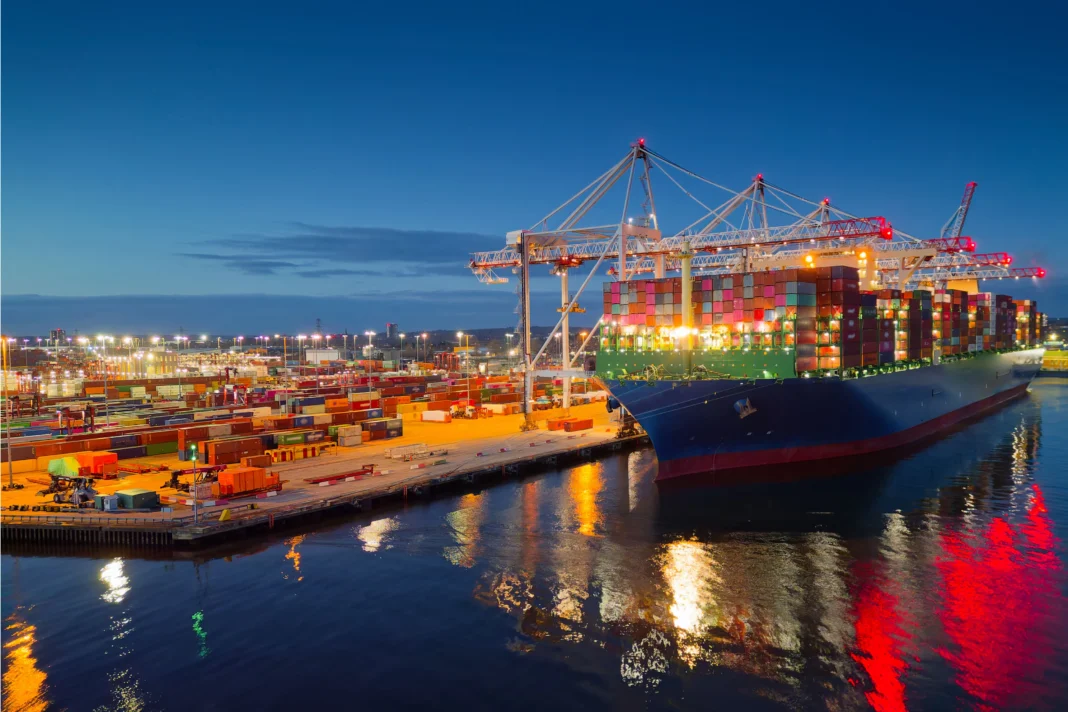
As shipping costs surged, the EY organization helped a multinational company save millions.
Achieving Supply Chain Agility: A Manufacturer’s Journey to Resilience and Efficiency

In today’s complex global market, supply chain agility is essential for manufacturers seeking to navigate disruptions, control costs, and meet customer expectations. A U.S.-based multinational manufacturer operating in over 100 countries recently undertook a strategic transformation to enhance its logistics operations, ensuring greater resilience and efficiency. This case study highlights how the company optimized its supply chain by improving transportation networks, contract management, and technology integration.
Challenges in a Volatile Market
Like many global manufacturers, this company faced significant supply chain disruptions due to the COVID-19 pandemic. Market instability, fluctuating transportation costs, and growing customer demands for faster deliveriescreated operational inefficiencies. The company also struggled with unstable contract rates, which contributed to an increase in logistics expenses—surpassing $1 billion annually by 2022. The complexity of managing land, air, and sea transportation networks further intensified the challenge, necessitating a comprehensive overhaul of its logistics strategy.
Key Strategies for Supply Chain Transformation
To address these challenges, the manufacturer implemented a multi-pronged strategy aimed at enhancing supply chain agility and cost efficiency.
- Optimizing Transportation Networks
- The company restructured its logistics network to create a more responsive and cost-effective system.
- Strategic adjustments in land, air, and sea freight helped reduce transit times and improve delivery efficiency.
- The introduction of alternative shipping routes ensured smoother operations during periods of disruption.
- Strengthening Contract Management
- To mitigate risks associated with volatile pricing, the company renegotiated long-term contracts with key logistics providers.
- This allowed the company to secure stable, predictable pricing structures, reducing financial uncertainty.
- Leveraging Advanced Technology
- The integration of AI-powered analytics and real-time tracking systems enabled the company to monitor shipments and proactively address bottlenecks.
- Automation tools improved inventory management, ensuring better demand forecasting and supply chain visibility.
Measurable Improvements and Business Impact
The implementation of these strategies led to substantial gains across several key performance areas:
- Cost Reduction – By optimizing contracts and shipping routes, the company achieved a significant decrease in logistics expenses.
- Increased Operational Efficiency – Advanced tracking systems and data-driven decision-making improved supply chain coordination, minimizing delays.
- Enhanced Customer Satisfaction – With faster and more reliable deliveries, the company improved on-time fulfillment rates.
Conclusion: The Future of Supply Chain Agility
This case study highlights the critical importance of proactive supply chain management in an era of market unpredictability. By redesigning transportation networks, strengthening supplier relationships, and adopting cutting-edge technology, the manufacturer not only mitigated risks but also positioned itself for long-term success.
The strategies implemented here serve as a blueprint for other organizations seeking to increase flexibility, improve efficiency, and strengthen supply chain resilience in an increasingly dynamic global economy.