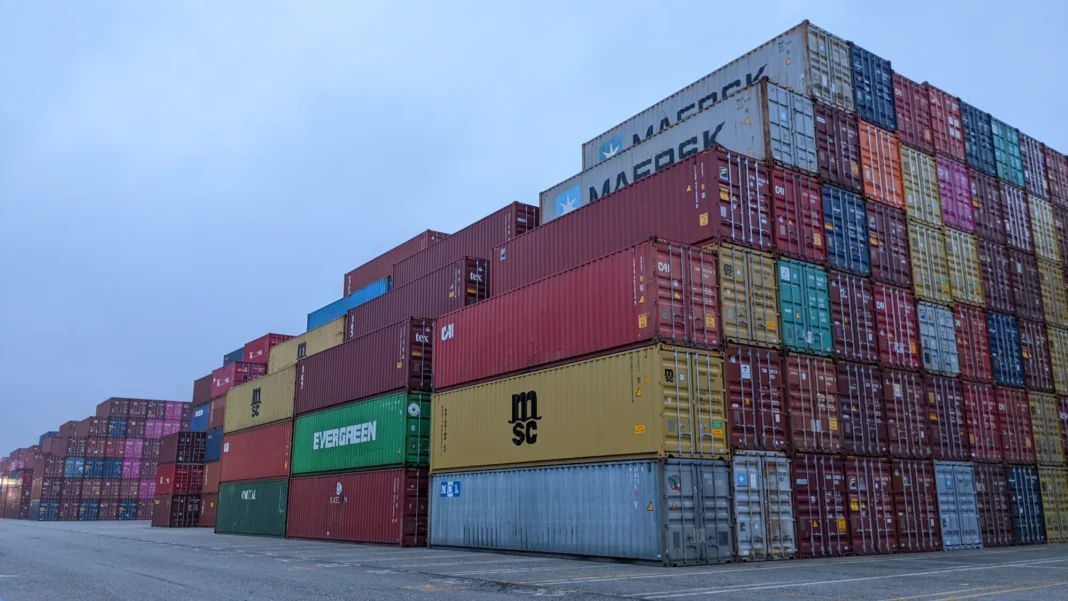


In response to the recent escalation of U.S. tariff threats under President Donald Trump’s administration, companies across various industries are adopting diverse strategies to mitigate potential impacts on their operations and profitability.
Proactive Measures: Domestic Investment and Operational Shifts
Several corporations are proactively adjusting their strategies to align with the evolving trade environment:
- Apple Inc.: The tech giant has announced a substantial investment plan, pledging $500 billion over the next four years to bolster its manufacturing presence within the United States. This initiative includes hiring 20,000 new employees and constructing a new AI server manufacturing facility in Houston. Additionally, Apple will open an academy in Detroit to train future manufacturers, increase its investment in U.S. research and development, and double its advanced manufacturing fund to $10 billion. This move appears strategically timed, coinciding with the looming tariffs on Chinese imports, from which Apple is seeking exemption.
- HP Inc.: Anticipating potential tariff implications, HP has proactively shifted its manufacturing operations and increased inventory. The company expects over 90% of its products sold in North America to be built outside of China by the end of fiscal 2025. Despite increased inventory costs, this strategy is part of its “tariff mitigation strategy.
Risk Mitigation: Inventory Management and Supply Chain Diversification
Other companies are focusing on inventory strategies and supply chain adjustments:
- Sony Corporation: To preempt potential supply disruptions, Sony has been stockpiling inventory in the U.S., ensuring product availability despite impending tariffs. The company acknowledges that new tariff policies will impact products like the PlayStation 5 but anticipates only a minor effect on the upcoming financial year.
- Tormach Inc.: This Wisconsin-based machine-tool supplier attempted to navigate the fluctuating tariff landscape by relocating production from China to Mexico and stockpiling Chinese-made goods. Despite these efforts, unforeseen tariffs on imports from both Mexico and China led to increased costs, prompting the company to raise prices, adjust leases, and reduce employee benefits.
Industry Concerns: Automotive Sector
The automotive industry, heavily reliant on international supply chains, expresses significant apprehension:
- Honda Motor Co.: The company estimates that a 25% tariff on imports from Mexico and Canada, poised to take effect March 4, would have a “$20 billion plus impact,” according to Global Executive Vice President Shinji Aoyama.
- Ford Motor Co.: CEO Chris Farley has voiced concerns regarding the additional costs associated with the tariffs, which are likely to be passed on, at least in part, to American consumers.
Consumer Goods Sector: Price Adjustments
Companies in the consumer goods sector are considering price modifications to offset increased costs:\
- Sally Beauty Holdings and Hamilton Beach Brands: Both companies have indicated plans to raise prices in response to the tariffs, aiming to protect profit margins amid rising import costs.
Conclusion
The spectrum of responses to the U.S. tariff threats underscores the complexities businesses face in a volatile trade environment. Strategies range from substantial domestic investments and operational shifts to inventory management and price adjustments, reflecting each company’s unique circumstances and market positioning. As the situation evolves, companies continue to adapt, seeking to mitigate risks and capitalize on emerging opportunities.